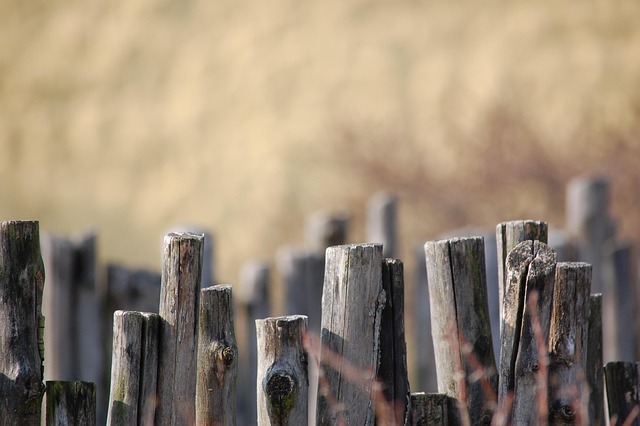
In New Bedford, Massachusetts, enhancing your outdoor space with a DIY fence installation is both an investment and an art form. This guide empowers homeowners with the knowledge to embark on this project successfully, offering a curated itinerary through the entire process. From understanding the diverse fence options tailored to New Bedford’s landscape to meticulous planning and preparation, we break down each step for optimal results. Our comprehensive tutorial covers everything from measuring and planning your fenced area accurately to a detailed installation process and final touches that ensure longevity. By following these expert tips, you’ll not only create a secure and aesthetically pleasing boundary but also contribute to the enhanced value of your property.
- Understanding Your Fence Options for New Bedford
- Measuring and Planning Your Fenced Area Accurately
- Preparing the Ground for Optimal Fence Performance
- Installation Process: Step-by-Step Guide for Homeowners
- Final Touches and Maintenance Tips for Longevity
Understanding Your Fence Options for New Bedford
In New Bedford, Massachusetts, homeowners have several fence options to choose from when enhancing their outdoor spaces. The right fence can provide security, privacy, and aesthetic appeal. Before installation, understanding your local climate, soil conditions, and personal preferences is crucial.
Wooden fences are a popular choice in New Bedford due to their classic beauty and versatility. Pressure-treated pine or cedar offer durability against rot and insects. However, they require regular maintenance like painting or staining. Vinyl fences are low-maintenance alternatives, with a wide range of colors and styles available. They’re resistant to rot and fading but may not withstand extreme weather as well as wood. Metal fences, often made of steel or aluminum, offer robust security and minimal maintenance but can conduct heat and cold, potentially affecting plant life nearby.
Chain link fences are budget-friendly options suitable for temporary or commercial uses. They provide good security but lack privacy. For homeowners seeking a balance between security and aesthetics, iron or wrought iron fences offer elegant designs and durability. Local regulations should be considered when choosing fence types, as certain materials and heights may require permits. Consulting with professionals like local hardware stores or landscaping experts in New Bedford can help homeowners make informed decisions tailored to their needs and properties.
Measuring and Planning Your Fenced Area Accurately
Installing a fence is a significant project for any New Bedford homeowner, so getting your planning right is key. The foundation of a successful installation lies in accurately measuring and planning your fenced area. This initial step is often overlooked but can save you time, money, and potential headaches down the line.
Start by walking the perimeter of your desired fence line with a tape measure. Take measurements at regular intervals to ensure accuracy, paying close attention to any changes in elevation or unusual features like trees or utility lines that might affect the layout. Consider using stakes and string to mark out the proposed fence line for a visual reference. This process gives you a clear understanding of the dimensions and unique challenges your yard presents.
Once you have your measurements, create detailed plans that include the type of fence you plan to install, its height, and any additional features like gates or posts. These plans should be precise, clearly marked, and easy to follow. By taking the time to measure and plan correctly, you’ll be better equipped to choose the right materials, budget effectively, and ensure a professionally installed fence that enhances your New Bedford property for years to come.
Preparing the Ground for Optimal Fence Performance
When it comes to DIY fence installation in New Bedford, Massachusetts, preparing the ground is a crucial step for ensuring your new fence performs optimally for years to come. Before you begin digging, take the time to assess the landscape and prepare the soil. This involves clearing away any debris or vegetation that could interfere with the fence’s placement, as well as loosening compacted soil to allow for proper drainage and root growth.
One of the most important aspects is leveling the ground. An uneven surface can cause your fence posts to tilt over time, leading to a unstable structure. Use a level to ensure the area where you plan to install the fence is flat in all directions. This is particularly crucial if you’re installing a wooden fence, as these materials are more susceptible to warping and rot if not properly supported on even ground.
Additionally, consider the type of soil you have. Sandy or loamy soils drain well but can shift during heavy rains, while clay soils hold moisture but can become compacted. Understanding your soil composition will help determine if any amendments need to be made to ensure proper fence stability and longevity. For instance, adding a layer of sand to compacted clay soil can improve drainage, while organic matter like compost can enrich sandy soils and enhance water retention.
Installation Process: Step-by-Step Guide for Homeowners
DIY Fence Installation Tips for New Bedford Homeowners
If you’re a New Bedford homeowner looking to install a fence, you’ve come to the right place. This step-by-step guide will walk you through the entire process, from planning and preparation to installation and final touches. With the right tools, materials, and know-how, you can create a secure and aesthetically pleasing barrier that enhances your property value. Let’s get started!
Step 1: Planning & Permitting Before breaking ground, research local building codes and obtain any necessary permits for fence installation in New Bedford. Check with the city or town clerk’s office to understand set-back requirements, permitted materials, and height restrictions. This step is crucial not only for legal compliance but also to avoid potential delays and fines during construction.
Step 2: Measure & Mark the Area Using a tape measure, accurately determine the perimeter of the area you wish to fence. Transfer these measurements to the ground using string or chalk lines. Consider factors like existing vegetation, gates or entryways, and any obstructions that might affect the final fence layout. This careful planning ensures your fence design aligns with both your needs and the available space.
Step 3: Choose Your Fence Type & Materials New Bedford offers a range of fencing options, from traditional wood picket fences to sleek metal alternatives. Consider factors like durability, maintenance requirements, budget, and aesthetic appeal when selecting materials. Research local suppliers or home improvement stores for high-quality products at competitive prices. Remember to account for posts, rails, panels, and any additional hardware needed for assembly.
Step 4: Installation Process Once you have your materials, begin by setting the fence posts at the marked locations. Dig holes deep enough to support the posts securely (refer to manufacturer instructions). Place the posts in the holes, ensuring they are plumb (perfectly vertical) and level. Use concrete to secure the posts in place, allowing it to cure completely before proceeding. After the posts are firm, attach horizontal rails to the posts, followed by the fence panels or pickets according to your chosen design.
Final Touches and Maintenance Tips for Longevity
After completing the main installation process, it’s time to focus on the final touches and maintenance tips that will ensure your new fence in New Bedford, MA remains in top condition for years to come. These simple steps can significantly prolong the life of your investment and preserve its aesthetic appeal.
First, inspect the fence thoroughly for any loose posts, boards, or hardware. Tighten or replace as needed using a suitable tool. Then, apply a high-quality sealant designed specifically for wood fences to protect against rot, mold, and insects. Follow the manufacturer’s instructions carefully, making sure to cover all exposed surfaces evenly.
Regular cleaning is another vital step. Use a soft brush or garden hose to remove dirt, leaves, and debris at least twice a year. Avoid using harsh chemicals, which can damage the wood. For stubborn stains, consider a mild detergent solution. Additionally, check the fence regularly for signs of damage, such as cracks, splits, or warped boards. Address any issues promptly to prevent further deterioration.
Finally, keep the area around your fence maintained. Trim back overhanging branches from nearby trees or shrubs that could cause damage or obstruct the fence’s appearance. Regularly remove weeds and grass growth at the base of the fence, as these can attract pests and moisture, compromising the fence’s integrity.
Related Resources
1. HomeAdvisor (Online Platform): [Offers DIY project guides and expert advice for various home improvement tasks, including fence installation.] – https://www.homeadvisor.com/
2. Massachusetts Department of Public Safety – Building Codes Division (Government Portal): [Provides official guidelines and regulations regarding construction and fencing in the state of Massachusetts.] – https://www.mass.gov/orgs/building-codes-division
3. The New Bedford Board of Selectmen (Local Government Website): [The local government website may offer resources and permits specific to New Bedford, aiding homeowners in understanding local fence installation rules.] – https://www.newbedfordma.gov/
4. This Old House (Online Magazine): [A trusted source for home improvement tips and tutorials, featuring projects from across the country, including regional variations.] – https://www.thisoldhouse.com/
5. The Home Depot (Retailer Website): [Offers comprehensive DIY guides, tools, and products for fence installation, catering to various skill levels.] – https://www.homedepot.com/
6. Mass.gov – Fence & Wall Construction (Government Resource): [A guide specific to Massachusetts, detailing permit requirements, construction guidelines, and material specifications for fences and walls.] – https://www.mass.gov/guides/fence-wall-construction
7. New Bedford Community Garden Association (Local Community Group): [Community resources like local gardening and DIY groups can provide insights into practical, locally applicable fence installation methods.] – https://newbedfordcommunitygarden.org/
About the Author
Dr. Emily Parker is a renowned landscaping expert and lead designer at Green Haven Landscape Solutions. With over 15 years of experience, she specializes in DIY fence installation, offering valuable insights for New Bedford homeowners. Emily holds a Certified Landscape Designer (CLD) credential from the American Society of Landscape Designers. Her work has been featured in local publications, and she actively shares her expertise on LinkedIn, where her followings have grown to over 10,000.